Biography
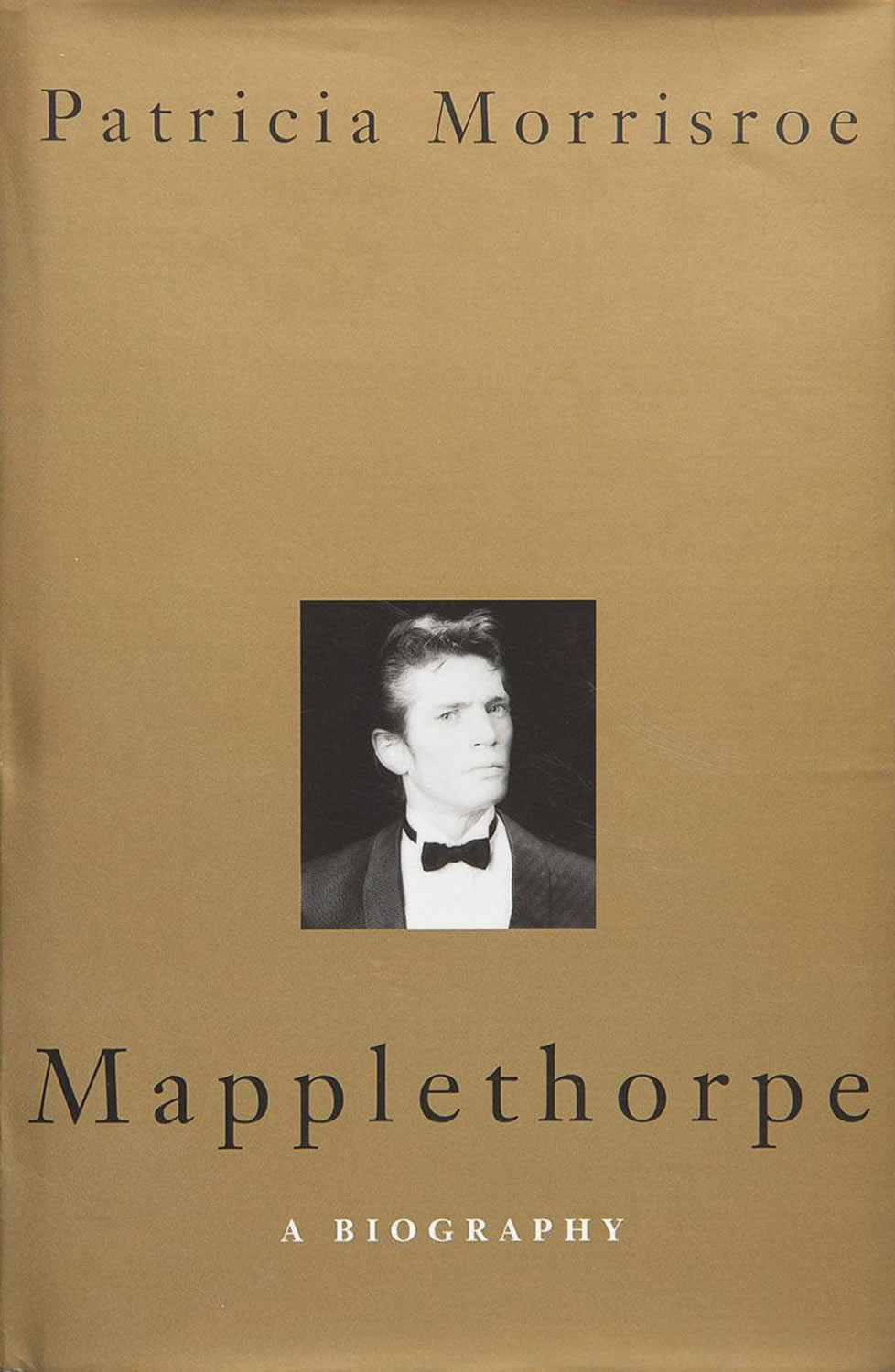
In 1988, the controversial photographer Robert Mapplethorpe selected her to write his biography. A year later, several months after he had died of AIDS, the Corcoran Gallery of Art canceled the photographer’s “The Perfect Moment” exhibit. This spurred a heated nationwide debate about pornography as art and called into question the extent to which Congress and the NEA should be funding that art. When Mapplethorpe: A Biography was published in 1995, the noted art critic Arthur C. Danto, in The Nation, called it “utterly admirable… The clarity and honesty of Morrisroe’s portrait are worthy of its’ subject.” The Washington Post declared the book as “mesmerizing as Mapplethorpe’s stare in his self-portraits.”
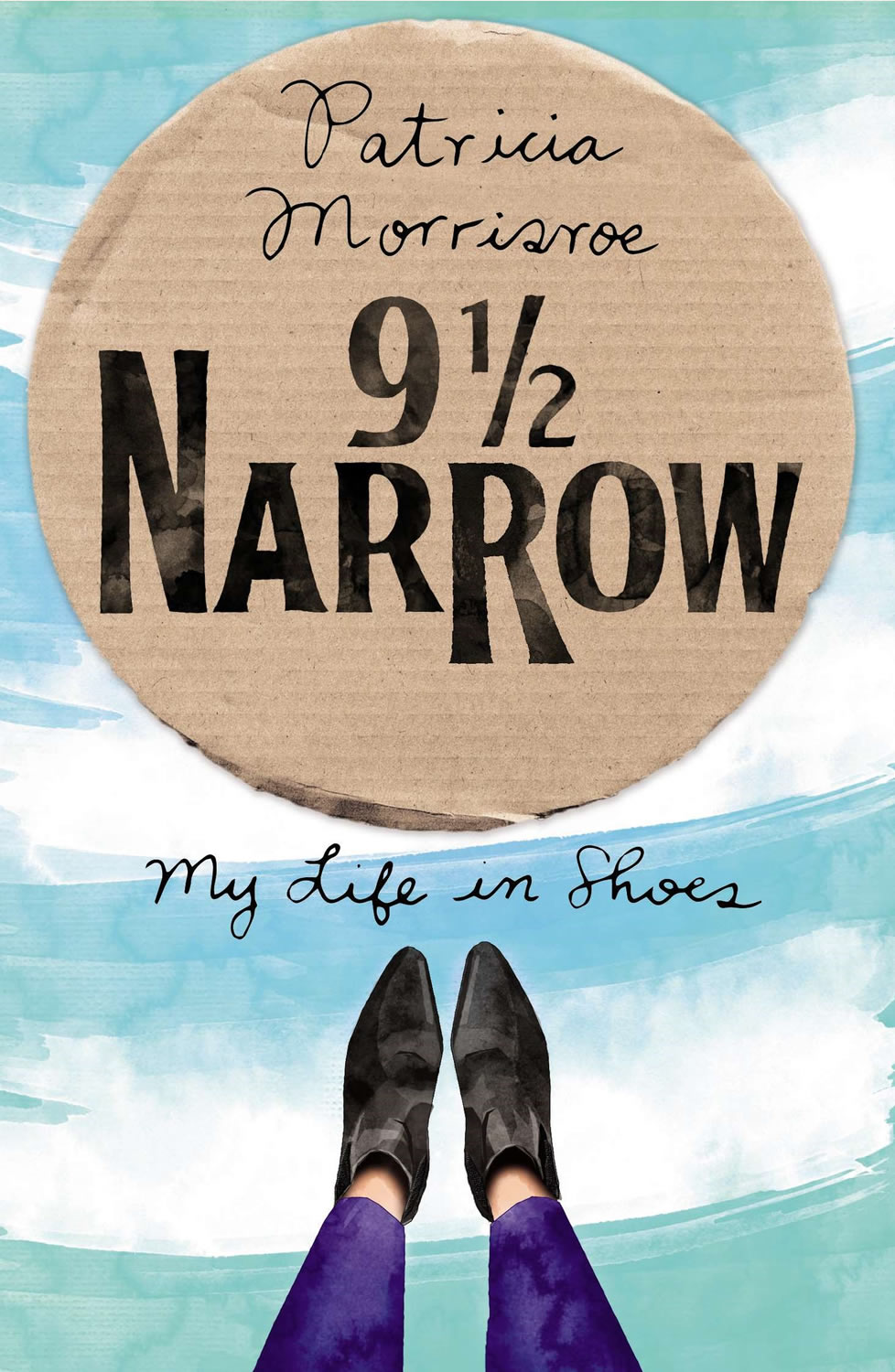
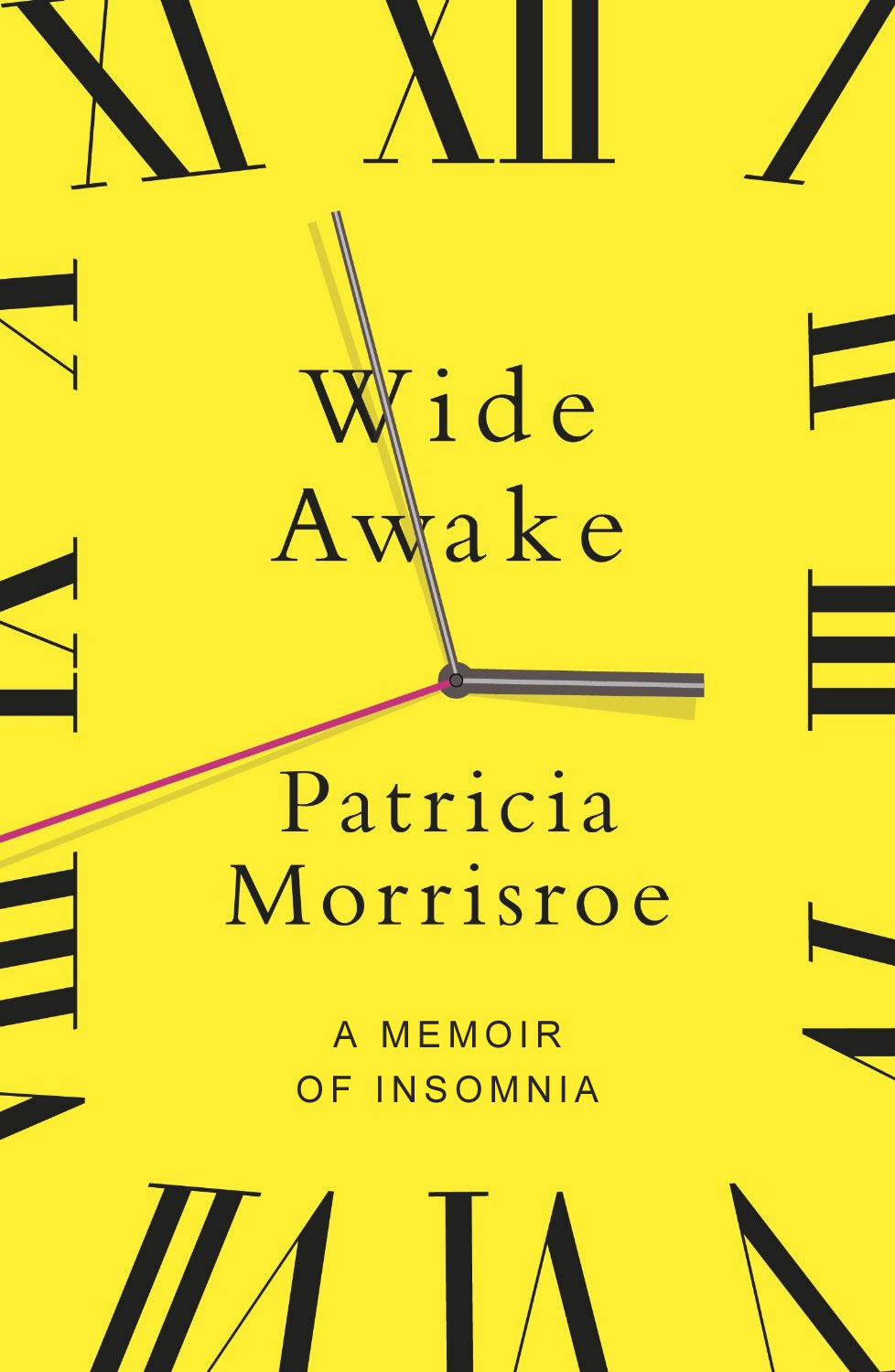
In 2010, Patricia wrote Wide Awake: A Memoir of Insomnia, which blended science, culture and personal insight to tell the story of why she – and 40 million other Americans – can’t sleep at night. Janet Maslin in the New York Times singled out her “deadpan funny” sense of humor, describing the book as a “fine firsthand look at insomniac eccentricities.” Five years later, as shoes were having a moment in popular culture, with women teetering in five-inch heels, she wrote 9 ½ Narrow: My Life in Shoes. The Wall Street Journal praised her talent for “funny and keenly observed details.”
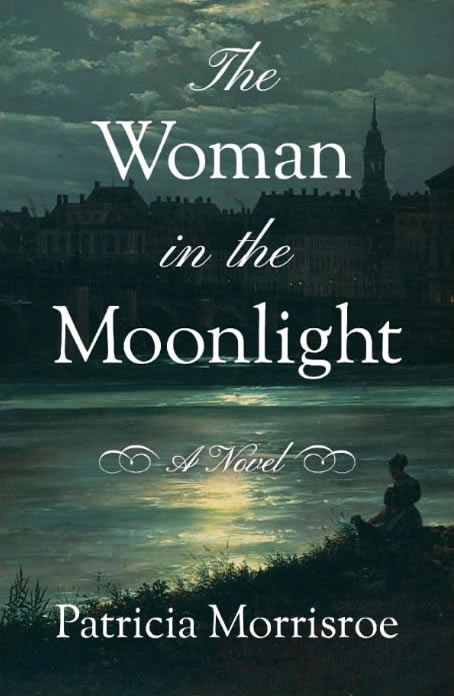
With The Woman in the Moonlight, Patricia has stepped back in time, writing her first novel about 19th century Vienna and the tragedy and dynamic passion that inspired Beethoven’s Moonlight Sonata.